Joplin MO Real Estate Market Report: What Buyers & Sellers Need to Know This Fall 2026
Joplin's median home price hovers around $207,500 — and fall 2026 is bringing more balance to a market that's long favored sellers. Here's what you need to know.

Key Takeaways
- Joplin's median home price sits around $207,500 in fall 2026 — well below Missouri and national averages — making it one of Southwest Missouri's most affordable mid-sized markets.
- The market is shifting toward balance: inventory has grown to ~2.6 months of supply, and buyers in many areas now have more room to negotiate than they've had in years.
- South Joplin (64804), Carl Junction, and Webb City are the most in-demand residential areas, with south Joplin seeing 4–5% annual appreciation.
- Sellers should price accurately from the start — overpriced listings are sitting longer as buyers gain more options; well-priced, well-presented homes still sell quickly.
Joplin, Missouri doesn't always make the headlines the way Springfield or Branson do — but for buyers and sellers paying attention, it's one of the most compelling real estate stories in Southwest Missouri right now. A city that rebuilt itself with remarkable resilience after the 2011 tornado, Joplin has quietly become one of the region's most affordable, livable, and economically stable mid-sized markets. And as fall 2026 unfolds, the dynamics are shifting in ways that matter for anyone thinking about buying or selling here.
This report breaks down what the data actually shows, what's driving the market, and what buyers and sellers should realistically expect heading into the end of the year.
Where Prices Stand Right Now
Joplin's housing market has maintained steady, measured growth through 2026. Depending on the data source and the specific sub-market, median home prices range from approximately $188,000 to $230,000, with the most commonly cited figure sitting around $207,500 for the broader Joplin area.
The variation reflects real differences within the city. The 64804 ZIP code — which covers much of south Joplin, including the desirable areas near Mercy Hospital and the Redings Mill corridor — has seen stronger appreciation, with median values closer to $229,000–$231,000 and annual appreciation rates of 4–5%. Meanwhile, more affordable pockets in north and central Joplin offer entry-level buyers genuine opportunities in the $150,000–$185,000 range.
For context, Joplin's median home price remains well below both the Missouri state average and the national median — a meaningful advantage for first-time buyers, relocating families, and investors looking for value in a stable market.
A Market Finding Its Balance
For much of 2024 and 2025, Joplin was firmly a seller's market — tight inventory, fast sales, and limited room for buyers to negotiate. Fall 2026 is telling a different story. Inventory has gradually returned to the market, and some segments — particularly in the 64801 ZIP code — are now described as balanced, with a healthier ratio of active listings to pending sales.
Homes are spending a median of 19 to 44 days on the market, depending on the neighborhood and price point. Well-priced, move-in-ready homes in sought-after areas like south Joplin, Carl Junction, and Webb City continue to move quickly. But buyers in other parts of the market are finding more room to negotiate on price, repairs, and closing costs than they've had in years.
Inventory remains at approximately 2.6 months of supply — still below the 4–6 months that typically signals a fully balanced market, but meaningfully improved from the sub-2-month levels that characterized the peak seller's market. The direction of travel matters: Joplin is moving toward balance, not away from it.
What's Driving the Market
Several factors are shaping Joplin's fall 2026 real estate environment.
Mortgage rates. Thirty-year fixed rates for well-qualified buyers have settled into the mid-to-upper 6% range — an improvement over the 7%+ peaks of 2023 and 2024, but still elevated enough to affect affordability and buyer psychology. Some buyers are waiting for rates to fall further, but market experts caution that waiting for a return to 5% rates is not a guaranteed strategy — and that rising prices could offset any future rate savings.
Economic stability. Joplin's economy is anchored by healthcare (Mercy Hospital and Freeman Health System are two of the city's largest employers), manufacturing, retail, and education (Missouri Southern State University). This diversified employment base gives the housing market a stability that more tourism-dependent markets sometimes lack. Joplin doesn't boom as dramatically as Branson — but it also doesn't bust.
Continued demand from relocators. Joplin sits at the intersection of I-44 and US-71, making it a natural hub for the four-state region (Missouri, Kansas, Oklahoma, Arkansas). Buyers relocating from higher-cost markets — particularly from Kansas City, Tulsa, and even out-of-state — continue to find Joplin's price points compelling. A home that would cost $400,000 in a Kansas City suburb often has a Joplin equivalent in the $200,000–$250,000 range.
Neighborhoods Worth Watching
For buyers doing their homework, a few Joplin-area communities deserve particular attention this fall.
South Joplin (64804) remains the city's most in-demand residential corridor. Proximity to Mercy Hospital, newer construction, strong schools, and well-maintained neighborhoods make this ZIP code consistently competitive. Buyers here should expect to move decisively on well-priced listings.
Carl Junction — a small city just north of Joplin — has become increasingly popular with families seeking newer construction, strong schools, and a quieter suburban feel at prices that are often 10–15% below comparable south Joplin properties. The Carl Junction R-1 School District is a consistent draw.
Webb City offers a charming small-town atmosphere with a historic downtown, strong community identity, and housing prices that remain accessible. It's a particularly good fit for buyers who want character and community without the premium of south Joplin.
Murphysburg Historic District — Joplin's most architecturally distinctive neighborhood — appeals to buyers who love historic homes, walkability, and a genuine sense of place. Prices here vary widely based on condition and renovation level, but the neighborhood's character is irreplaceable.
What Sellers Should Know
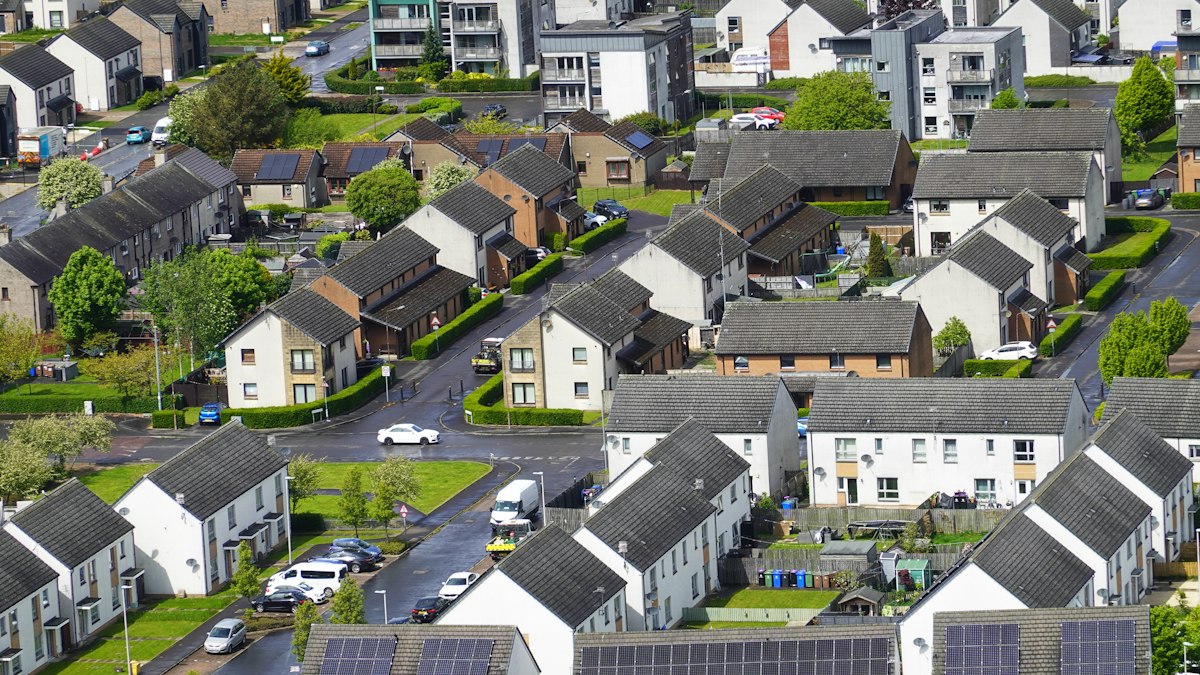
If you're thinking about selling in Joplin this fall, the market still supports you — but the dynamics have shifted enough that strategy matters more than it did a year ago.
Pricing accurately from the start is essential. Overpriced listings are sitting longer, and price reductions are becoming more common. Buyers have more options than they did in 2024, and they're less willing to waive inspections or offer significantly above asking price without strong justification.
The good news: well-prepared, well-priced homes in desirable areas are still selling relatively quickly. Presentation matters — homes that show well, are priced to the current market, and are marketed effectively continue to attract strong offers. Working with an agent who knows the Joplin market intimately is more important now than it was when any listing would sell regardless of strategy.
What Buyers Should Know
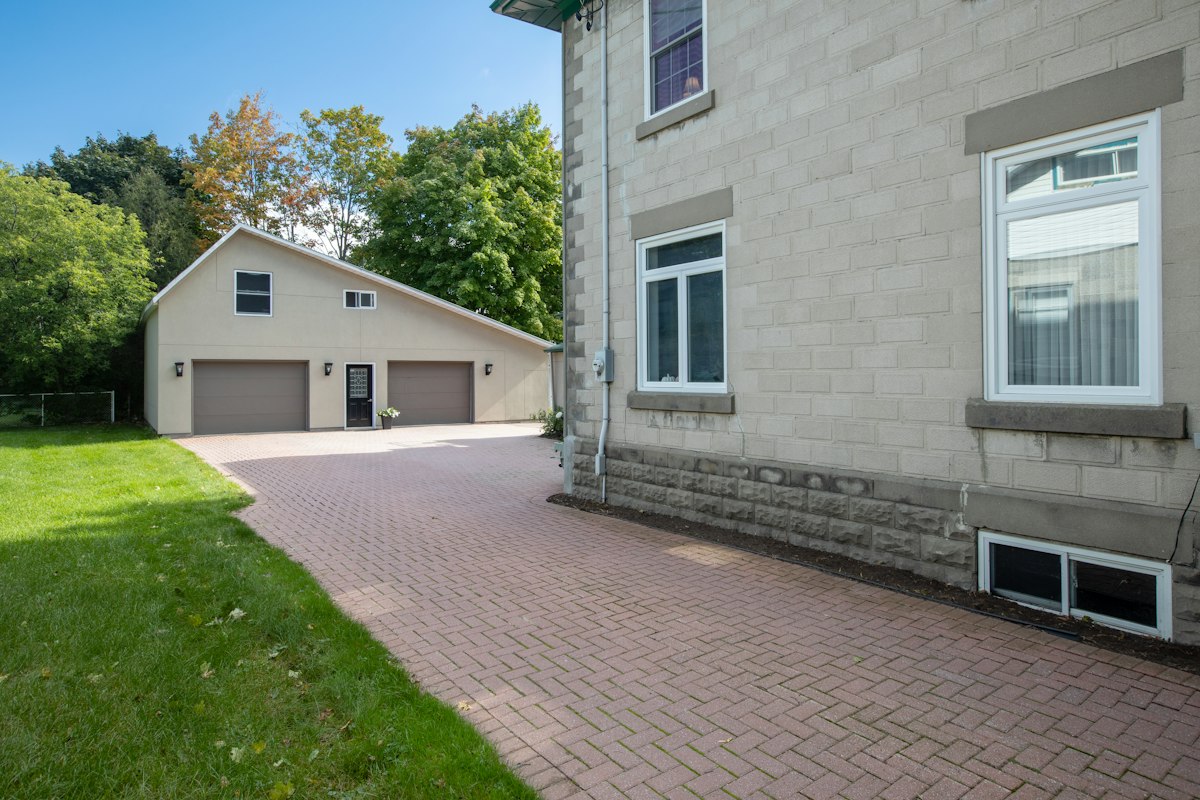
For buyers, fall 2026 is a genuinely good window. You have more inventory to choose from, more room to negotiate, and less pressure to make rushed decisions than buyers faced in 2022 or 2023. Joplin's affordability relative to other Missouri markets — and relative to the national average — remains a real and meaningful advantage.
That said, the best properties in the best neighborhoods still move quickly. Being pre-approved, knowing your priorities, and being ready to act when the right home appears are still essential. The market has balanced, not reversed — sellers still hold leverage on quality inventory.
For buyers who've been waiting on the sidelines hoping for rates to drop dramatically, the honest advice is this: Joplin's prices are likely to continue their steady upward trend. Waiting for a perfect rate environment while prices rise may not produce the savings you're hoping for.
A City Worth Believing In
Joplin's story is one of resilience, community, and quiet, steady growth. It's not a flashy market — but it's a real one, grounded in a diversified economy, genuine community pride, and housing values that remain accessible to working families. For buyers and sellers navigating this market, the fundamentals are sound.
At Eleos Realty, we believe real estate is about more than transactions — it's about finding the place where your family can put down roots and thrive. Lindsey Fearing and the Eleos Realty team know the Joplin market well, and we'd love to walk alongside you as you navigate your next move. Reach out anytime — we're here to help.
Real Estate. Real Mercy.
Guiding Southwest Missouri families home with compassion and care.
Written by
Lindsey Fearing
Transaction Coordinator
Our transaction coordinator, keeping every step from contract to closing smooth, calm, and stress-free.
Thinking about a move in the Ozarks?
Whether you're buying, selling, or just exploring, our team is here to help you every step of the way.