Best Neighborhoods in Springfield, MO: A Local's Guide to Buying a Home in 2026
From historic Rountree to family-friendly Southern Hills, Springfield MO has a neighborhood for every lifestyle and budget. Here's where to look in 2026.


Key Takeaways
- Springfield's median sold price sits around $254,000–$267,000 in fall 2026, making it one of the most affordable mid-sized cities in the country for home buyers.
- Rountree and Phelps Grove offer historic craftsman character and walkability near Missouri State University, with homes typically ranging from $250,000 to $375,000.
- The Kickapoo High School attendance zone commands consistent demand from families — school district quality is one of the most reliable drivers of long-term home value in Springfield.
- East Springfield offers the city's most accessible price points ($130,000–$200,000 range), with equity-building potential for buyers who choose carefully with a knowledgeable local agent.
Springfield, Missouri is a city of neighborhoods — each one with its own personality, price point, and sense of community. Whether you're drawn to the character of a century-old craftsman bungalow, the convenience of a newer suburban development, or the walkability of a historic district, Springfield has something that fits. And with a median sold price hovering around $254,000 to $267,000 in fall 2026 — well below the national average — it remains one of the most accessible mid-sized cities in the country for buyers who want quality of life without the coastal price tag.
If you're thinking about buying a home in Springfield, one of the most important decisions you'll make is *where* to buy. Here's a practical, honest guide to Springfield's most sought-after neighborhoods in 2026.
Rountree: Historic Charm Near Missouri State
If you love character, walkability, and a neighborhood that feels genuinely alive, Rountree is worth a serious look. Located just south of Missouri State University's campus, Rountree is one of Springfield's most beloved historic districts — a compact, tree-lined neighborhood of craftsman bungalows, Tudor revivals, and Arts & Crafts homes built primarily in the 1920s and 1930s.
Rountree's appeal goes beyond aesthetics. The neighborhood has a strong, active community association, regular neighborhood events, and a walkable connection to the MSU campus, Phelps Grove Park, and the shops and restaurants along South Avenue. For buyers who want a home with soul — original hardwood floors, built-in bookshelves, covered front porches — Rountree delivers in a way that newer construction simply can't replicate.
Pricing in Rountree reflects its desirability. Expect to pay a premium relative to the city median, with many homes in the $250,000 to $375,000 range depending on size and condition. Competition can be fierce for well-maintained properties — they move quickly. If you're considering Rountree, come prepared with a strong pre-approval and a willingness to act decisively.
Phelps Grove: Walkable, Vibrant, and Close to Everything
Adjacent to Rountree and anchored by the beautiful Phelps Grove Park, the Phelps Grove neighborhood offers a similar historic character with slightly more variety in housing stock and price points. The neighborhood stretches along Grand Street and the surrounding blocks, with a mix of single-family homes, duplexes, and smaller multi-family properties that attract a diverse mix of owners and renters.
Phelps Grove Park itself is one of Springfield's gems — 36 acres of mature trees, walking paths, a rose garden, and open green space that serves as the neighborhood's living room. On any given weekend, you'll find families picnicking, dogs being walked, and neighbors catching up on the park benches. It's the kind of amenity that makes a neighborhood feel like a community.
For buyers, Phelps Grove offers entry points that can be slightly more accessible than Rountree, particularly for smaller homes or properties that need updating. If you're willing to put in some work, this neighborhood rewards buyers who invest in their properties — both in quality of life and in long-term appreciation.
Southern Hills: Mid-Century Character with Modern Convenience
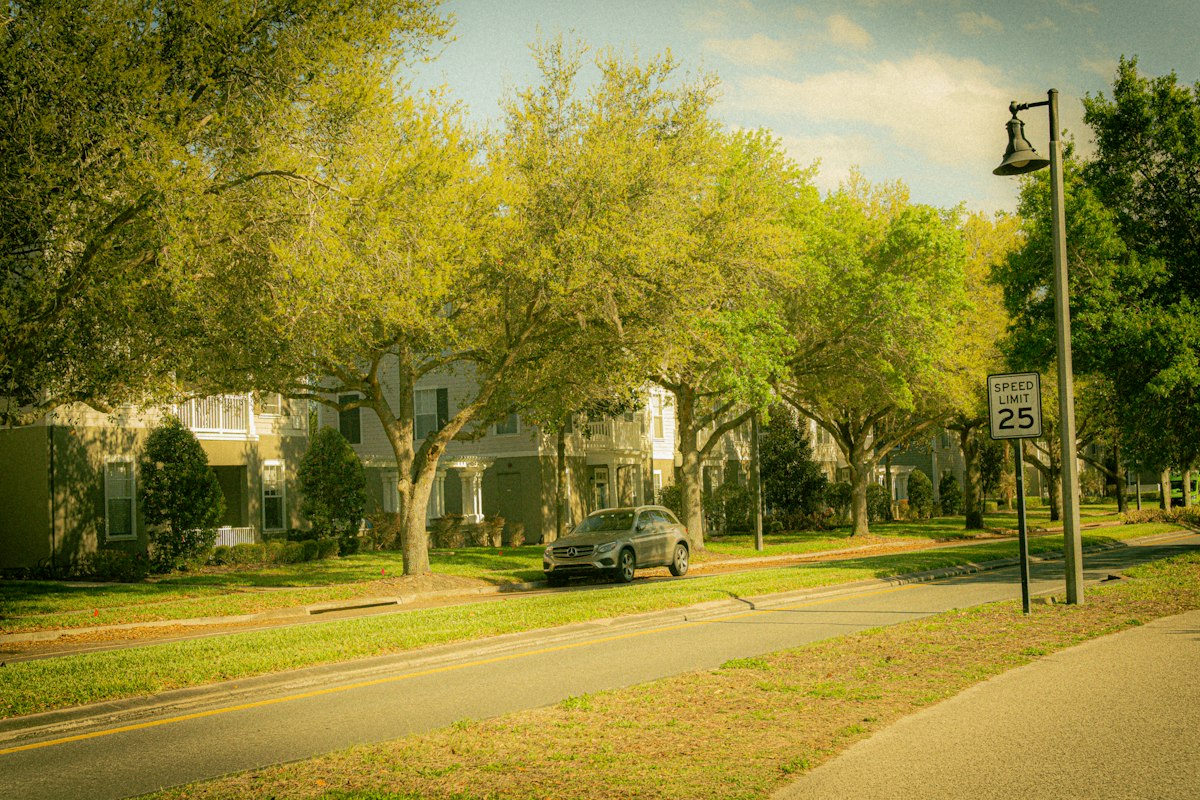
For buyers who want more space, a quieter residential feel, and the character of mid-century architecture without the intensity of the historic districts, Southern Hills is one of Springfield's most consistently popular neighborhoods. Located on the southeast side of the city, Southern Hills was developed primarily in the 1950s and 1960s and features the ranch homes, split-levels, and brick colonials that defined that era of American residential design.
What makes Southern Hills stand out is the combination of lot size, mature landscaping, and location. Homes here typically sit on larger lots than you'd find in the historic districts, with established trees and landscaping that give the neighborhood a settled, comfortable feel. The area is convenient to the James River Freeway, making commutes to the south side of Springfield and to Christian County straightforward.
Pricing in Southern Hills tends to be competitive — the neighborhood's reputation keeps demand steady. Well-maintained homes in the $220,000 to $320,000 range are common, and the neighborhood attracts a mix of first-time buyers, move-up buyers, and investors who recognize the long-term stability of the area.
The Kickapoo Corridor: Top Schools, Strong Demand
For families with school-age children, the area served by the Kickapoo High School attendance zone is consistently one of the most sought-after in Springfield. Kickapoo High School has a strong academic reputation, and the elementary and middle schools that feed into it are well-regarded as well. In Springfield's real estate market, school district quality is one of the most reliable drivers of both demand and long-term value — and the Kickapoo corridor reflects that.
Homes in this area tend to be newer than the historic districts, with more ranch-style and two-story construction from the 1970s through the 2000s. Lot sizes are generous, and the neighborhoods feel spacious and family-oriented. Expect to pay a modest premium over the city median for well-located homes in this zone — the demand is real and consistent.
For buyers who are prioritizing school quality above all else, this is the area to focus your search. Your agent can help you verify specific school attendance boundaries, which can shift — always confirm before making an offer.
East Springfield: Affordability and Upside

For buyers working with a tighter budget — or investors looking for value — East Springfield offers some of the most accessible price points in the city. Neighborhoods along the East Sunshine corridor and the areas east of National Avenue include a mix of older homes, some in need of updating, alongside well-maintained properties that represent genuine value.
The honest truth about East Springfield is that it's a neighborhood in transition in some areas — some blocks are thriving, others are still working through challenges. But for buyers who do their homework, work with a knowledgeable local agent, and choose carefully, East Springfield can offer meaningful equity-building opportunity. Homes in the $130,000 to $200,000 range are still findable here, and the city's ongoing investment in infrastructure and community development is a positive long-term signal.
If you're a first-time buyer with limited down payment funds, or an investor looking for cash-flow-positive properties, East Springfield deserves a serious look — with eyes open about what you're buying and where.
What to Know Before You Buy in Springfield
Springfield's market in fall 2026 is balanced — not the frenzied seller's market of a few years ago, but not a buyer's market either. Homes that are priced accurately are selling in roughly 34 days on average, while overpriced listings sit. The gap between list prices (around $327,000 median) and sold prices (around $254,000) tells you that sellers who price to the market are succeeding, and those who don't are waiting.
For buyers, this means you have more time to be thoughtful than you did in 2021 or 2022 — but you still need to be prepared. Get fully pre-approved before you start seriously looking. Know your target neighborhoods. And work with an agent who knows Springfield's micro-markets well enough to tell you when a home is priced right and when it isn't.
Springfield's economy is anchored by healthcare (CoxHealth and Mercy are two of the region's largest employers), education (Missouri State University, Drury, Evangel), and a growing logistics and manufacturing sector. That employment diversity provides a stable foundation for the housing market — Springfield doesn't boom and bust the way markets tied to a single industry can.
We Know Springfield's Neighborhoods
At Eleos Realty, Springfield is home — and Caleb Scott and the team know these neighborhoods block by block. Whether you're drawn to the historic charm of Rountree, the family-friendly feel of the Kickapoo corridor, or the value opportunity in East Springfield, we'd love to help you find the right fit. Reach out anytime — we're here to walk alongside you every step of the way.
Real Estate. Real Mercy.
Guiding Southwest Missouri families home with compassion and care.

Written by
Caleb Scott
Broker / Owner
Broker and owner of Eleos Realty, guiding families home with compassion, integrity, and genuine care every step of the way.
Thinking about a move in the Ozarks?
Whether you're buying, selling, or just exploring, our team is here to help you every step of the way.