Investing in Christian County, MO Real Estate: A Smart Guide for Long-Term Wealth in 2026
Christian County is one of SW Missouri's fastest-growing counties. Here's how savvy investors are building long-term wealth through real estate in Nixa, Ozark, and beyond.


Key Takeaways
- Christian County's population is projected to reach 105,521 by 2030, with a structural need for 4,688 new housing units — a strong long-term demand driver for property investors.
- The median rent in Christian County has risen to $1,797/month (up 44.34% year-over-year), signaling significant rental demand that benefits landlords with well-located properties.
- Standard leverage often produces sub-1.0x DSCR in this market — experienced investors bring 25–30% down or target below-median properties in Sparta or Clever for better cash flow.
- Missouri's landlord-friendly laws, a 0.97% effective property tax rate, and conforming loan limits of $847,440 make Christian County a practical and accessible investment market.
Christian County, Missouri, is one of the most compelling real estate investment stories in the entire Ozarks region — and it's still flying under the radar for many investors who focus on larger metros. Anchored by the fast-growing cities of Nixa and Ozark, and situated just south of Springfield along the US-65 corridor, Christian County offers a rare combination: consistent population growth, strong owner-occupancy rates, a landlord-friendly regulatory environment, and home values that remain accessible compared to national benchmarks.
If you're thinking about building long-term wealth through real estate in Southwest Missouri, here's what you need to know about investing in Christian County in 2026.
Why Christian County? The Growth Story
Christian County's population has grown every single year since 2000 — a track record that very few Missouri counties can match. As of 2026, the county's population stands at approximately 98,318, and projections suggest it could reach 105,521 by 2030, representing an 18.77% increase from 2020 levels. That growth is driven primarily by domestic migration — people choosing to move here from other parts of the country, drawn by the quality of life, the school districts, and the relative affordability compared to larger metros.
For real estate investors, sustained population growth is one of the most reliable demand drivers you can find. More people means more households, more renters, and more buyers — all of which support property values and rental income over time. Christian County's own housing study projects a need for 4,688 new housing units between 2026 and 2031 just to keep pace with growth and address existing inventory shortages. That's a structural tailwind that benefits property owners.
The county's median household income sits at approximately $94,834 in 2026, and the typical home value is around $328,729 — a price-to-income ratio of roughly 3.8x, which is considered moderately affordable by national standards. That affordability, combined with strong income levels, supports both owner-occupancy and rental demand.
Understanding the Current Market
As of October 2026, Christian County's median listing price is approximately $409,981, with a median sold price of $356,250 — a meaningful gap that reflects the negotiating room available in what has shifted toward a buyer's market. Inventory has expanded modestly, with approximately 826 active listings representing a 2.10% year-over-year increase. Homes are selling in a median of 48 days, which is actually 7.69% faster than the prior year — suggesting that while buyers have more options, well-priced properties are still moving.
For investors, the most striking data point may be the rental market: the median rent in Christian County has risen to $1,797 per month, representing a 44.34% year-over-year increase. That's a dramatic shift that reflects the gap between housing supply and demand — and it signals meaningful opportunity for landlords who own well-located properties in the county.
Within the county, pricing varies significantly by location. Nixa and Ozark — the two primary population centers — carry median listing prices of approximately $400,413 and $407,200, respectively. More accessible entry points exist in communities like Sparta ($294,347) and Clever ($320,000), which can offer better initial cash flow for investors willing to look beyond the most prominent zip codes.
Investment Strategies That Work in Christian County

Christian County is primarily a long-term appreciation and equity-building market rather than a high-cash-flow market under standard leverage. Understanding this distinction is essential for setting realistic expectations and structuring deals that actually work.
Long-Term Buy-and-Hold: The most straightforward strategy for Christian County is purchasing a well-located single-family home in Nixa or Ozark, renting it to a quality long-term tenant, and holding it for appreciation. Given the county's consistent population growth and the structural housing shortage, property values have strong fundamental support. Investors who bought in Nixa five years ago have seen substantial equity gains — and the underlying drivers of that appreciation haven't changed.
Increased Equity at Purchase: Because standard leverage (20% down, 7%+ interest rate) often produces a debt service coverage ratio below 1.0x in this market, many experienced investors bring 25–30% down to improve cash flow from day one. This requires more capital upfront but dramatically improves monthly cash flow and reduces risk. On a $325,000 property with 25% down, the math becomes considerably more favorable.
Below-Median Entry Points: Targeting properties priced below the county median — particularly in Sparta, Clever, or older neighborhoods in Nixa and Ozark — can yield better initial cash flow while still benefiting from the county's broader appreciation trend. A $260,000 home in a solid neighborhood often cash-flows better than a $400,000 home in the same market, and the tenant pool for more affordable rentals is typically deeper.
Short-Term Rentals Near Branson: Christian County's proximity to Branson and Table Rock Lake creates opportunities for short-term rental strategies, particularly for properties in the southern part of the county. Missouri is a landlord-friendly state with relatively limited short-term rental regulation outside of specific municipalities — though investors should always verify local ordinances before purchasing with this strategy in mind.
The Regulatory and Tax Environment

Missouri's landlord-friendly legal environment is a genuine competitive advantage for investors. The state has no rent control, a straightforward eviction process, and property tax rates that are manageable compared to many other states.
In Christian County, property taxes are assessed at 19% of market value, with an effective tax rate on investment properties running approximately 0.97% annually. On a $325,000 property, that's roughly $3,150 per year in property taxes — about $263 per month. Factor this into your underwriting from the start, and note that properties are often reassessed at the purchase price upon closing, which can affect your first-year tax bill.
Conforming loan limits for Christian County in 2026 are set at $847,440, which means most investment purchases in the county will qualify for conventional financing. DSCR loans — which qualify based on the property's rental income rather than the investor's personal income — are widely available and can be a useful tool for investors who are self-employed or have complex income structures.
What to Look for in a Christian County Investment Property
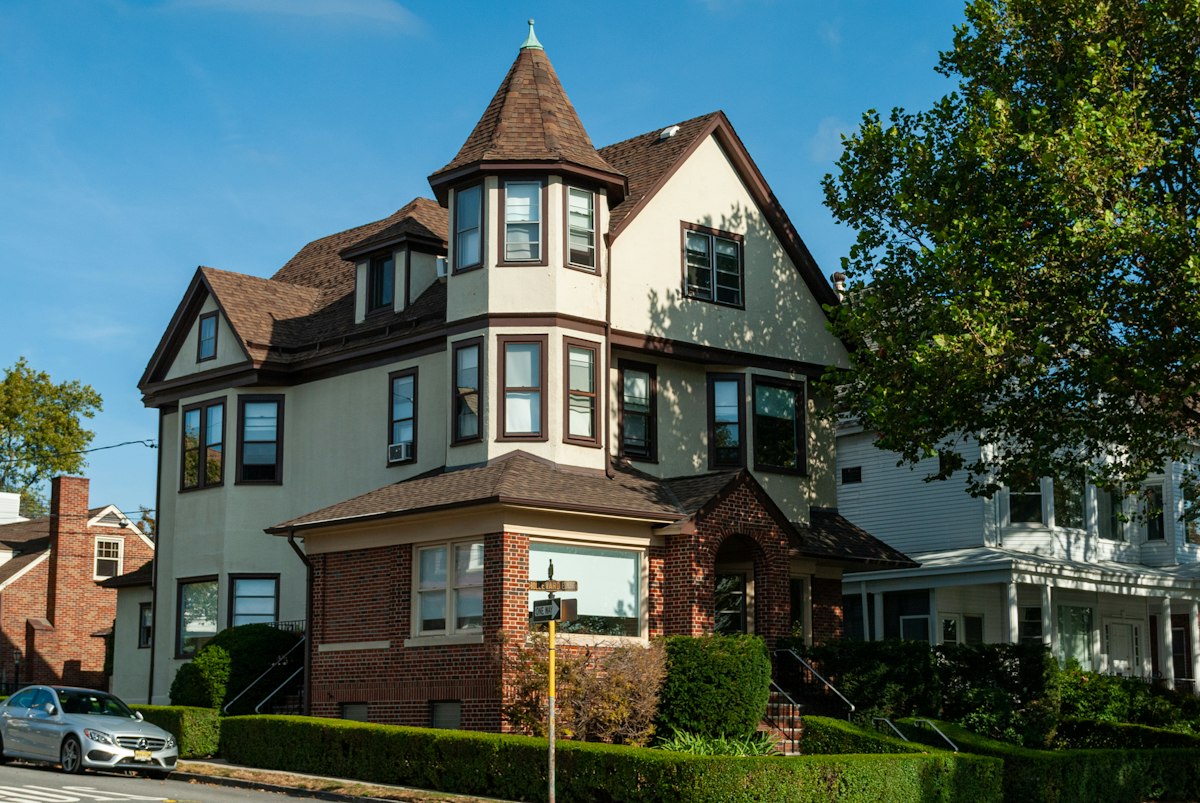
Not all properties in Christian County are created equal from an investment perspective. Here's what experienced investors prioritize when evaluating deals in this market.
School district quality matters enormously. Christian County is served by several highly regarded school districts — Nixa, Ozark, and Republic among them — and proximity to strong schools drives both rental demand and resale value. Tenants with families will pay a premium to be in the right district, and owner-occupant buyers will compete aggressively for homes in those zones when you eventually sell.
Condition and deferred maintenance. In a market where rents have risen sharply, tenants have options — and they're increasingly selective about property condition. Investing in a well-maintained property, or budgeting realistically for updates before renting, will reduce vacancy and attract better long-term tenants.
Proximity to employment centers. Christian County's growth is partly driven by its role as a bedroom community for Springfield's employment base — healthcare, education, manufacturing, and logistics. Properties with easy access to US-65 or James River Freeway tend to rent faster and hold value better.
Lot size and future development potential. Some Christian County properties — particularly in areas experiencing rapid growth — carry additional value in their land. Understanding the county's zoning and development trajectory can help you identify properties with upside beyond the immediate rental income.
A Long-Term Perspective
Real estate investment in Christian County is not a get-rich-quick proposition — it's a patient, disciplined strategy for building meaningful wealth over time. The investors who have done best here are those who bought quality properties in growing neighborhoods, maintained them well, and held through market cycles. The county's fundamentals — population growth, income levels, school quality, and proximity to Springfield — haven't changed, and they're unlikely to change in the near term.
If you're considering your first investment property in Christian County, or looking to expand an existing portfolio in Southwest Missouri, Lindsey Fearing and the Eleos Realty team would love to walk alongside you. We know this market deeply — the neighborhoods, the pricing, the tenant dynamics, and the long-term trends — and we're committed to helping you make decisions that serve your financial future well. Reach out anytime; we'd love to help you find the right property.
Real Estate. Real Mercy.
Guiding Southwest Missouri families home with compassion and care.
Written by
Lindsey Fearing
Transaction Coordinator
Our transaction coordinator, keeping every step from contract to closing smooth, calm, and stress-free.
Thinking about a move in the Ozarks?
Whether you're buying, selling, or just exploring, our team is here to help you every step of the way.