Rural Living in the Ozarks: Your Complete Guide to Buying Country Property in Southwest Missouri
Dreaming of land, space, and a slower pace? Here's everything you need to know about buying rural property in the Missouri Ozarks in 2026.

Key Takeaways
- Rural Ozarks property sales jumped 14.8% in the first half of 2026, with rural counties like Texas County offering median prices around $245,900 — well below the statewide median of $299,000.
- Always get a well flow-and-quality test and a dedicated septic inspection before closing — a failing septic system can cost $10,000–$30,000+ to replace.
- Verify internet availability at the specific property address before making an offer, as rural coverage varies widely even within the same county.
- Check that timber rights, road access easements, and flood plain status are clearly understood — these factors can significantly affect both property value and your daily use of the land.
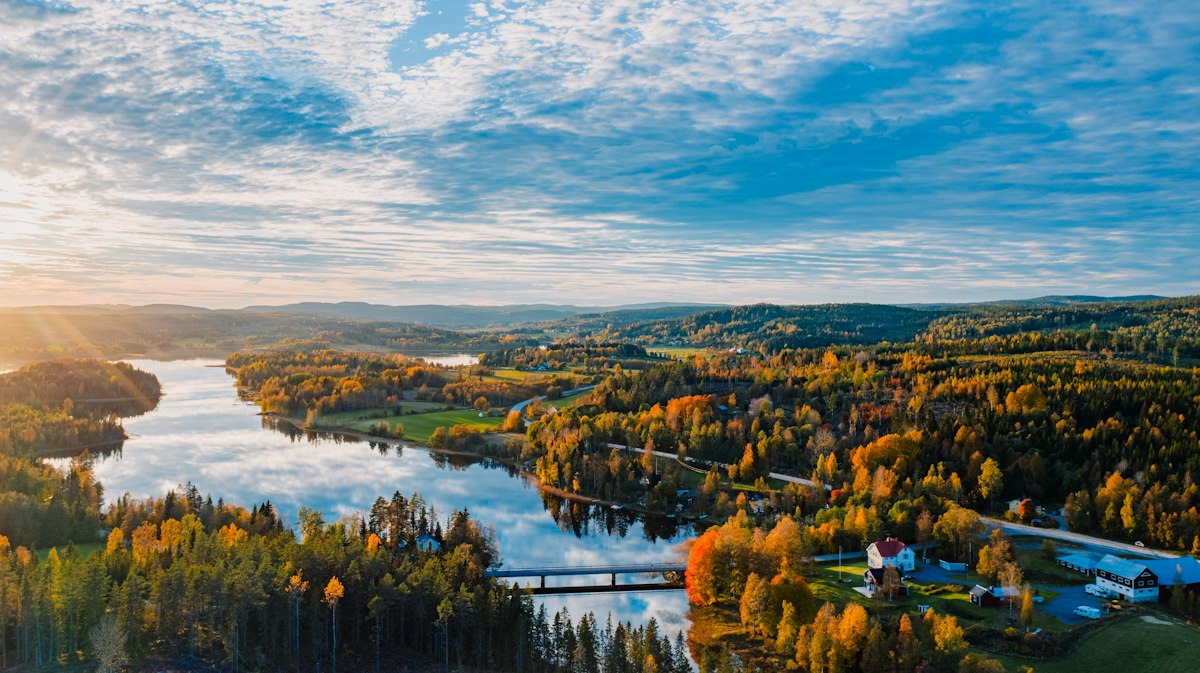
There's something about the Ozarks that gets into your soul. The rolling hills, the cedar-lined hollows, the way the morning fog settles into the valleys before the sun burns it off — it's a landscape that invites you to slow down, breathe deeper, and imagine a different kind of life. For a growing number of buyers, that imagination is becoming a plan.
Rural property sales across the southern Missouri Ozarks jumped 14.8% in the first half of 2026 compared to the same period last year — a clear signal that more people are making the move from city and suburb to country. If you're one of them, this guide is for you. Buying rural property in the Ozarks is genuinely different from buying a home in a subdivision, and understanding those differences before you start your search will save you time, money, and heartache.
What Does "Rural" Mean in the Ozarks?
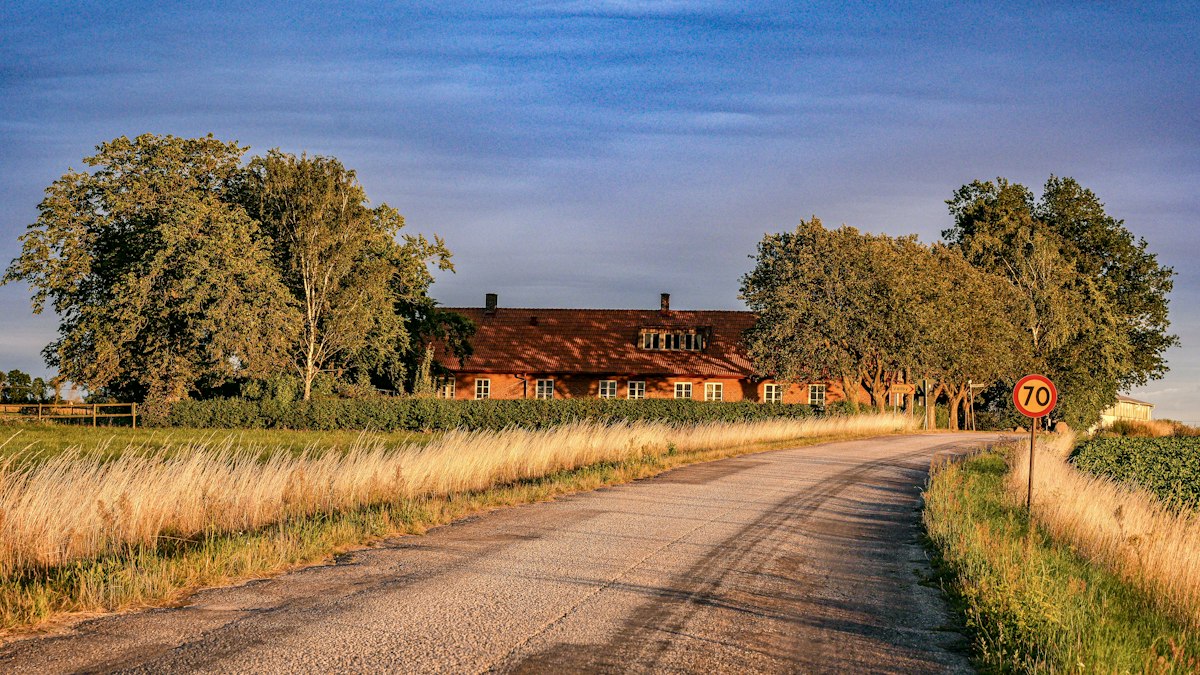
The Missouri Ozarks span a wide swath of the southern half of the state, and "rural" can mean very different things depending on where you're looking. A property 20 minutes outside of Springfield or Nixa might sit on five acres with a well and septic but still feel connected to the city's amenities. A property in Howell, Oregon, or Shannon County might be 45 minutes from the nearest grocery store, with a gravel road, no cell service, and a spring-fed water source.
Neither of those is better or worse — they're just different, and the right choice depends entirely on what you're looking for. Before you start touring properties, get honest with yourself about what rural living actually means to you. How far are you willing to drive for work, school, or groceries? Are you comfortable with a well and septic system? Do you want acreage for livestock, gardening, or recreation — or do you just want space and privacy?
Answering those questions clearly will help you and your agent focus your search on the properties that actually fit your life, rather than falling in love with something that looks beautiful online but doesn't work in practice.
Understanding the Rural Ozarks Market in 2026
The rural Ozarks real estate market in 2026 is healthy and active, but it varies significantly by county and price point. Missouri's statewide median home price sits at approximately $299,000 as of fall 2026 — a 4.91% increase year-over-year — but rural counties often offer meaningfully lower entry points.
In Texas County, for example, the median sale price is approximately $245,900, and the market currently favors buyers with 7.1 months of inventory available. That's a meaningful contrast to the city of Ozark, where the median has reached $345,000 with homes moving in about 31 days — a much more competitive environment driven by suburban demand.
For buyers seeking true rural acreage, land and farm properties in many Ozarks counties carry their own pricing dynamics. Timber land, pasture ground, and recreational properties are priced per acre and move on different timelines than residential homes. Working with an agent who understands both the residential and land markets in your target area is essential.
Well, Septic, and Utilities: What You Need to Know
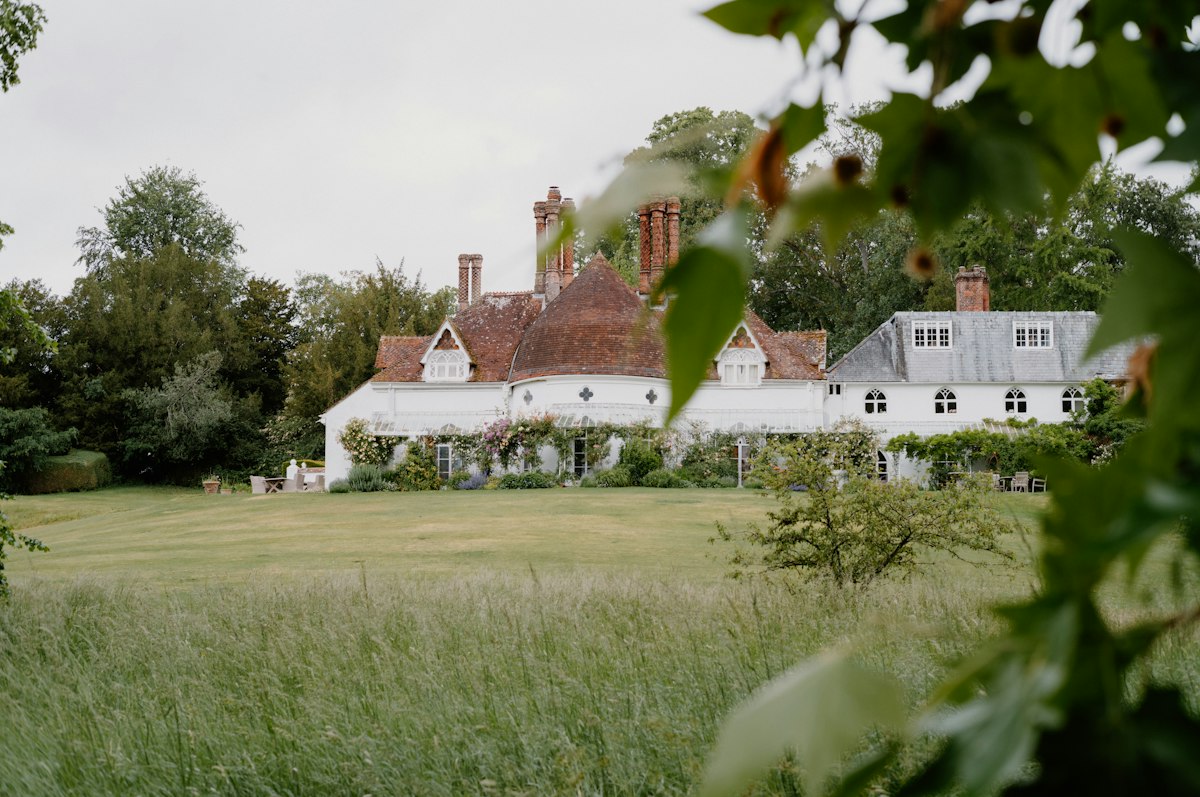
This is where rural property buying diverges most sharply from suburban home buying, and it's where buyers most often get surprised. In a subdivision, you turn on the tap and water comes out. On a rural property, you need to understand exactly where that water comes from and whether the system is in good working order.
Wells: Most rural Ozarks properties rely on private wells for water. Before closing on any rural property, have the well tested for both quantity (flow rate) and quality (bacteria, nitrates, and other contaminants). A well inspection is not the same as a standard home inspection — make sure your inspector is qualified to evaluate the well specifically. If the property has been vacant, the well may need to be shocked and retested before you can trust the results.
Septic systems: Rural properties use septic systems rather than municipal sewer connections. A septic inspection should be a non-negotiable part of your due diligence. A failing septic system can cost $10,000 to $30,000 or more to replace, and in some cases, soil conditions on a property may limit your options for replacement. Know what you're buying before you close.
Electric and internet: Most rural Ozarks properties have electric service through rural electric cooperatives, which are generally reliable. Internet access is the bigger variable. Fiber and cable internet are increasingly available in rural Missouri, but coverage is uneven. If remote work or reliable streaming is important to your household, verify the specific internet options available at the property address — not just in the general area — before you make an offer.
Acreage, Timber, and Land Considerations
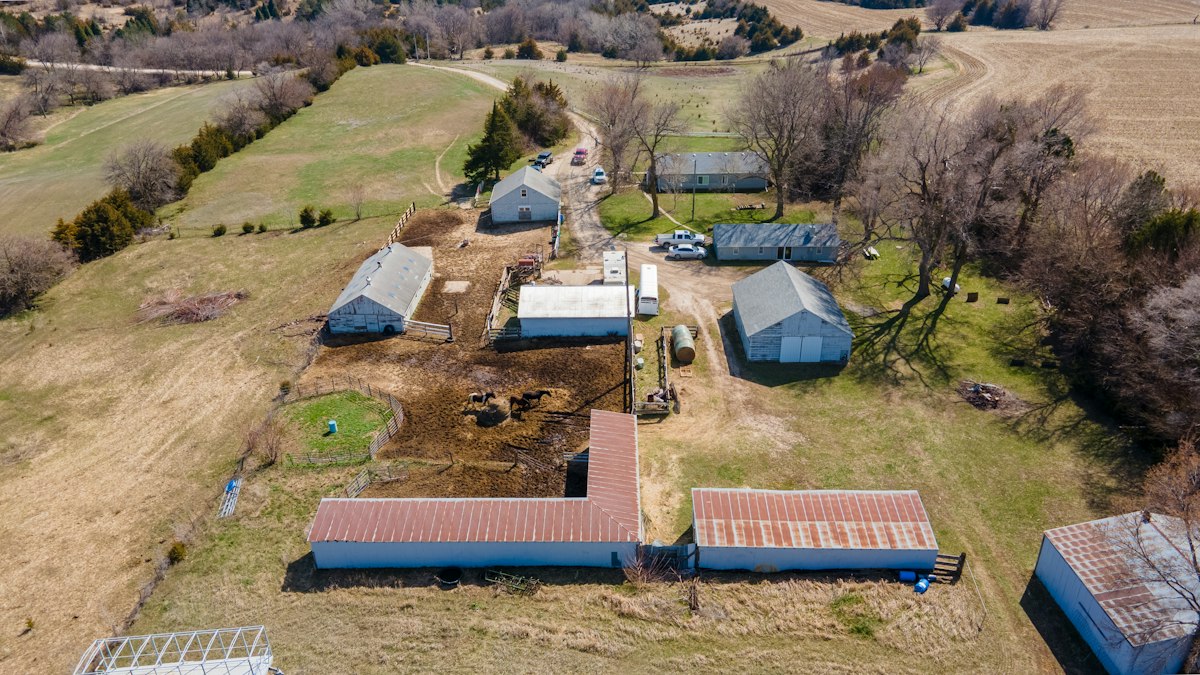
Many buyers come to the Ozarks specifically for the land — the space to garden, raise animals, hunt, or simply walk without seeing a neighbor. If acreage is a priority for you, a few additional considerations apply.
Timber rights: In some cases, timber rights on a property may be severed from the surface rights — meaning someone else owns the right to harvest the trees. This is more common with older rural properties and can significantly affect both the value and your use of the land. Always verify that timber rights convey with the sale.
Flood plains and creek bottoms: The Ozarks are defined by their waterways, and many beautiful properties sit along creeks and rivers. That's part of the appeal — but it also means flood risk. Check FEMA flood maps for any property with creek or river frontage, and understand what flood insurance would cost before you fall in love with a particular piece of ground.
Road access and easements: Some rural properties are accessed via private roads or easements across neighboring land. Verify that your access is legally documented and that you understand who is responsible for road maintenance. A beautiful property that becomes inaccessible after a heavy rain is not the rural dream you're looking for.
The Practical Realities of Country Life
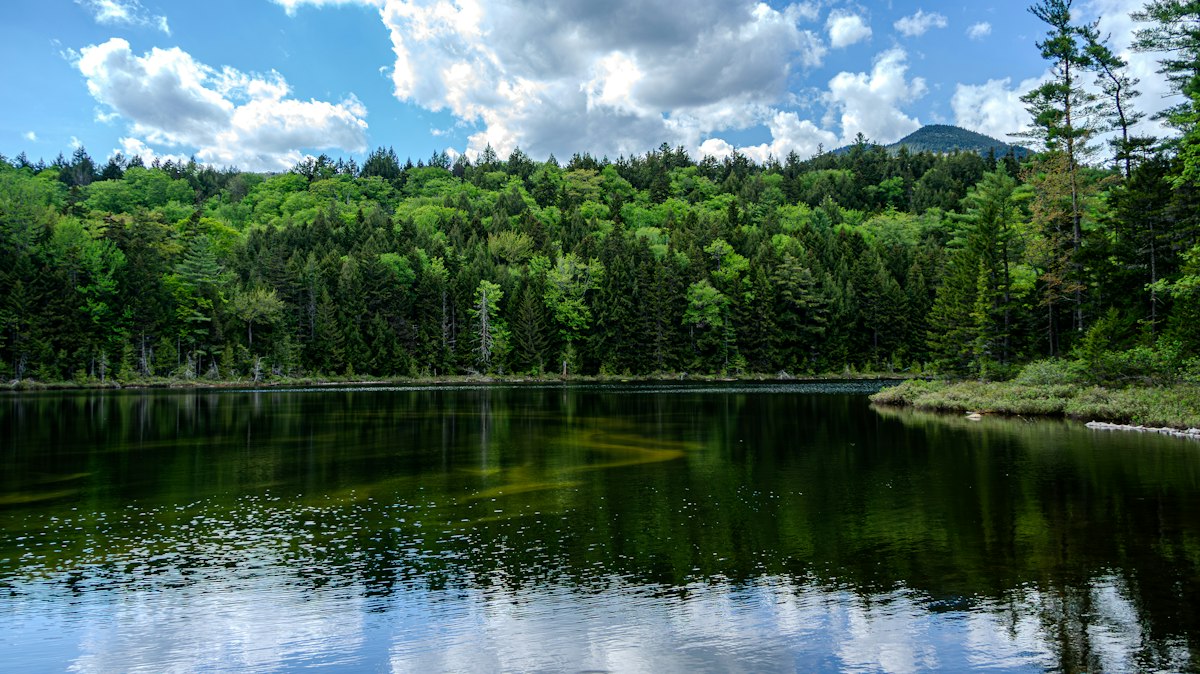
Rural living in the Ozarks is genuinely wonderful — but it comes with a different set of daily rhythms and responsibilities than suburban life. Knowing what to expect helps you make the transition with your eyes open.
You'll likely drive more. Groceries, medical appointments, kids' activities — all of it involves more windshield time than you're probably used to. Many rural Ozarks residents find that they plan their errands differently, batching trips to town rather than running out for one thing at a time. It becomes a rhythm, and most people adapt quickly.
You'll also take on more property maintenance. A well, a septic system, a gravel driveway, a larger yard or pasture — these things require attention that a suburban HOA or city utility department would otherwise handle. If you're handy and enjoy that kind of stewardship, it's deeply satisfying. If you're not, budget for the help you'll need.
And you'll likely find that the community, while smaller, is often deeper. Rural Ozarks communities have a neighborly quality that's harder to find in larger towns — people who look out for each other, who show up when something goes wrong, who wave when they pass on the road. That's not a small thing. For many buyers, it's exactly what they came for.
A Life Worth Building
The Ozarks have been calling people home for generations. There's a reason families put down roots here and stay — the land is beautiful, the pace is human, and the community is real. If you're feeling that pull, don't dismiss it.
At Eleos Realty, we love helping buyers find their place in Southwest Missouri — whether that's a farmhouse on 40 acres or a country home on a quiet road outside of town. Lindsey Fearing and the Eleos Realty team know the rural Ozarks market well, and we'd love to walk alongside you as you explore what's possible. Reach out anytime — we're here to help you find the life you're looking for.
Real Estate. Real Mercy.
Guiding Southwest Missouri families home with compassion and care.
Written by
Lindsey Fearing
Transaction Coordinator
Our transaction coordinator, keeping every step from contract to closing smooth, calm, and stress-free.
Thinking about a move in the Ozarks?
Whether you're buying, selling, or just exploring, our team is here to help you every step of the way.